ishantimes

Nuj

Breaking News

वर्किंग जर्नलिस्ट ऑफ इंडिया बिहार प्रदेश कार्यकारिणी हुई घोषित

गूगल meet में उपस्थित हुए राष्ट्रीय और प्रदेश पदाधिकारी पटना(ईशान टाइम्स ब्यूरो)।आज गुरुवार दिनांक 11 सितम्बर, 2025 को WJI, BIHAR STATE इकाई की ऑनलाइन बैठक हुई। यह बैठक WJI, बिहार स्टेट इकाई के गठन को लेकर आयोजित की गई। इसमें भारतीय मजदूर संघ (बीएमएस) के राष्ट्रीय सह संगठन मंत्री श्री गणेश मिश्रा ने विशेष रूप से शिरकत की। अध्यक्षता WJI के राष्ट्रीय अध्यक्ष संजय उपाध्याय ने की। इसमें WJI के राष्ट्रीय महासचिव श्री नरेंद्र भंडारी और WJI के राष्ट्रीय सलाहकार श्री सुरेंद्र वर्मा भी शामिल हुए। राष्ट्रीय अध्यक्ष श्री संजय उपाध्याय ने नवगठित WJI, BIHAR STATE इकाई के पदाधिकारियों और कार्यसमिति सदस्यों के नामों की घोषणा की। ऑनलाइन बैठक के दौरान WJI, BIHAR STATE इकाई के जिन पदाधिकारियों के नामों की केंद्रीय कमिटी की सहमति के बाद घोषणा की गई, उनमें : अध्यक्ष : श्री भोलानाथ उपाध्यक्ष : महासचिव : सचिव : कोषाध्यक्ष : श्री एन. के. डी. वर्मा कानूनी सलाहकार – श्री अरविन्द उज्ज्वल कार्यसमिति सदस्य : नवगठित WJI, BIHAR STATE इकाई के पदाधिकारियों और सदस्यों को WJI इकाई के राष्ट्रीय अध्यक्ष संजय उपाध्याय, महासचिव नरेंद्र भंडारी और बीएमएस के राष्ट्रीय सह संगठन मंत्री श्री गणेश मिश्रा और wji के राष्ट्रीय सलाहकार श्री सुरेन्द्र वर्मा ने बधाई दी। राष्ट्रीय पदाधिकारियों ने संगठन के आगामी राष्ट्रीय और राज्यस्तरीय कार्यक्रमों के बारे में भी विस्तार से जानकारी दी।

Breaking News

Haryana Governor Dattatreya Urges Media to Uncover Corruption, Hold Government Accountable for Unmet Promises

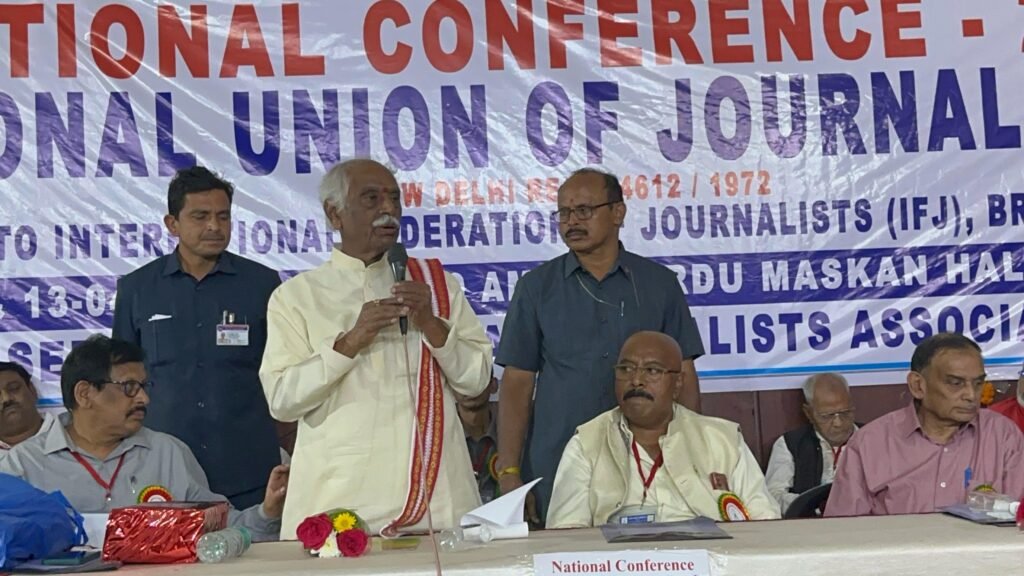
Sunday, April 13, 2025 (By Ishan Rai) Raising alarms over increasing corruption, favoritism, and unfulfilled governmental assurances, Haryana Governor Bandaru Dattatreya called upon journalists to take an active role in exposing such issues. Speaking as the Chief Guest at the National Union of Journalists (India) conference held in Hyderabad on Sunday, he compared corruption to a malignant disease threatening the nation. He criticized the erosion of values in public life, including the rise of caste, communal, regional, and religious divisions. He urged the media to educate the public about these divisive trends. Furthermore, he emphasized the press’s duty to highlight when governments fall short on their promises and fail to implement welfare programs effectively. He encouraged scrutiny of initiatives meant to uplift the marginalized, poor, and underrepresented to ensure they reach their intended beneficiaries. Dattatreya stressed that journalism should distinguish facts from opinions and adhere to neutrality and transparency. The authenticity of news reporting, he said, is crucial to maintaining public trust. Describing the media as an essential pillar of democracy, he insisted that journalists must be provided with adequate protection and security. He also urged the government to take necessary steps toward improving the working conditions of media professionals, especially regarding fair wages, accommodation, and healthcare provisions. NUJ(I) National President Shivaji Sarkar advocated for reviving and upgrading the Press Council of India into a Media Commission. Given the expanding influence of digital platforms, he said online journalists—such as those working with YouTube channels and web portals—should also be recognized under journalistic labor laws. Sarkar also highlighted the increasing risks media professionals face and called for stronger safety frameworks. He encouraged journalists nationwide to stay vigilant amid changing media dynamics, where fundamental journalistic principles are often undermined. NUJ(I) Secretary General Ravi Meenakshisundaram echoed the demand for a new wage board that encompasses all forms of journalism, integrating traditional and digital media into a unified structure. Former NUJ(I) President Uppala Lakshman, Vice Presidents Sanjay Rai, Smt. Savita Kulakarni, and other key figures also addressed the gathering. The two-day conference shed light on the challenges confronting modern journalism—from the disruptive influence of digital media on grassroots reporting to the urgent need to safeguard regional and vernacular news platforms. Senior editors, correspondents, and delegates from all over India exchanged insights and discussed how to uphold journalistic ethics in an ever-evolving media environment.

Breaking News

Day One of National Union of Journalists (India) Conference Concludes in Hyderabad with Culture, Poetry, and Passion

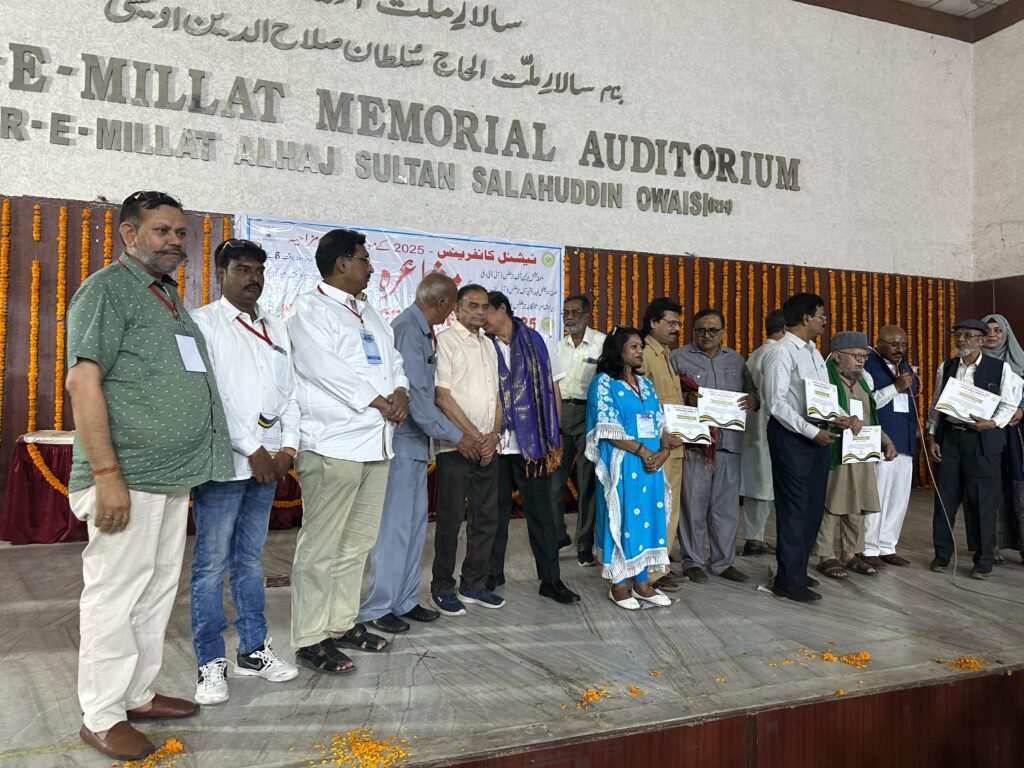
Hyderabad, April 12, 2025 — The first day of the National Union of Journalists (India) [NUJ(I)] National Conference 2025 concluded at the prestigious Ravindra Bharathi auditorium in Hyderabad with a vibrant blend of thought-provoking discussions and soul-stirring cultural performances. The day brought together voices from across the country, setting the tone for a dynamic and meaningful two-day event. The morning and afternoon sessions focused on critical issues facing journalism today — from the impact of digital media on grassroots reporting to the growing need to protect regional and vernacular journalism. Delegates from across India, including senior journalists, editors, and correspondents, shared ground-level experiences and explored the challenges of maintaining ethical journalism in today’s rapidly evolving media landscape. However, it was the evening segment that transformed the atmosphere entirely. A celebration of Indian art, culture, and youthful expression, the cultural evening was led not by professional performers, but by talented school students from Hyderabad and nearby regions. The audience was captivated by powerful classical dance performances based on the divine forms of Goddess Durga and Goddess Kali. In the Durga-themed performance, students portrayed the goddess in her Mahishasura Mardini form — a dramatic, graceful depiction of feminine power triumphing over evil. The choreography, complete with symbolic gestures and traditional attire, carried a message of strength, justice, and resilience. Following this, the auditorium fell into a deeper, more intense rhythm as students presented a fierce yet captivating dance dedicated to Goddess Kali. With bold movements and expressive storytelling, the performance brought to life the goddess’s role as a force of destruction against injustice and darkness — a metaphor that resonated deeply with the ideals of fearless journalism. These dances were not just artistic performances but symbolic reflections of what journalism often aspires to be: a voice against oppression, a light in the face of darkness, and a protector of truth. Later in the evening, a poets’ gathering added literary charm to the day. Poets from across the country recited compositions that reflected on society, emotion, justice, and hope. Without theatrics or grand gestures, the poems struck a chord — speaking to shared realities and individual truths. The inclusion of young and emerging voices alongside seasoned poets gave the session a refreshing balance and reinforced the role of creativity in public discourse. The audience, which included journalists, literature enthusiasts, local citizens, teachers, and parents, responded with warmth and admiration. For many, the evening was more than entertainment — it was an immersive reminder of how culture and journalism together form the conscience of a society. As delegates look forward to the sessions of Day Two, there’s a clear sense that this conference is more than just discussions and agendas. It’s a platform where expression, in every form — whether through dance, verse, or reporting — is being honored and celebrated. The message of Day One was powerful and clear: journalism is not just a profession; it is a cultural responsibility.
Scroll to Top